
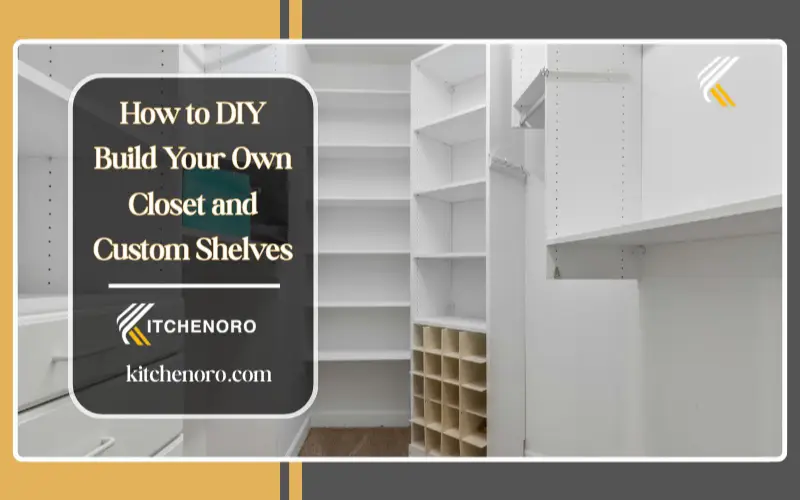
When I decided to fix my own closet, I knew I had to rip out the old wire shelves and replace the flimsy shelving with something stronger. I wanted more organization to streamline my morning routine and make the whole home feel more efficient. Choosing DIY closet shelves instead of ready-made units gave me a budget-friendly way to customize the space for my exact needs.
If you’re planning more space-saving upgrades, explore our complete guide to DIY kitchen storage ideas.
With simple step-by-step directions, some power tools, and a little lumber, even a beginner can take on this kind of home improvement. It’s not just about looks—it’s about functionality and making sure every cubby, cabinet, or corner works for you. I once helped to update a utility closet for my family, and I was glad to see how a clear vision and small woodworking projects could turn a messy area into something organized and sustainable.
We made room for bathroom toiletries, cleaning supplies, and even a vacuum cleaner. A few hours in the afternoon was enough to convert an unused wall, add custom-fit, purposeful shelving with adjustable height, and improve the storage potential of the whole area.
Whether it’s a coat closet, a laundry room, or food storage for a big Costco haul, taking the time to reconfigure, redo, and unpack can save money compared to pricy custom closet systems and turn long-time dreaming into real results—even after a move, new floors, or a hallway purge.
How to DIY Build Your Own Closet and Custom Shelves- The Answer:
To build a DIY closet organizer, start by accurately measuring the space, accounting for the thickness of supports. Cut and prepare the shelf supports from plywood, assembling a central box-like unit for stability. Attach the supports to the wall studs using a level to ensure they are straight, then install the shelves and central unit securely. Finally, use baskets and consistent organizers to keep everything tidy and in its place.
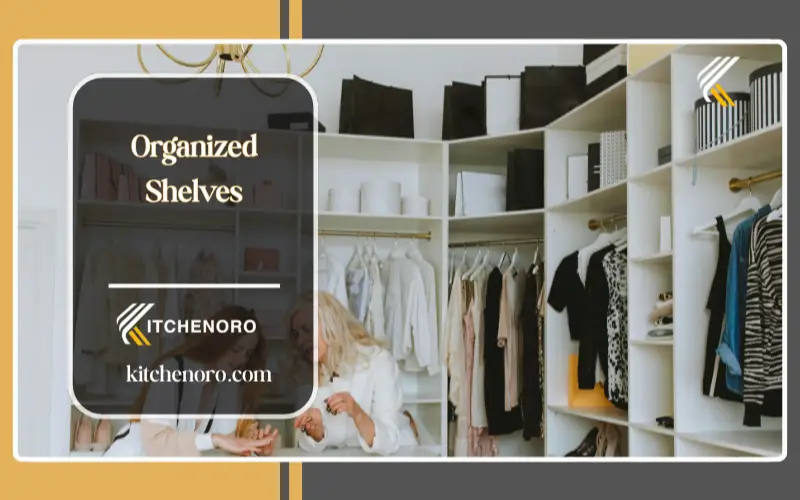
Accurately measure your closet space before building DIY shelves.
Why Build DIY Closet Shelves?
When I upgraded my bedroom closet in New York, it had one sagging wire shelf and a pile of shoes on the floor. Heavy winter coats bent the wire frame, and half the wall height was wasted.
After building custom wood closet shelves from plywood, the space completely changed.
Before:
• One weak wire shelf
• Shoes stacked on the floor
• Unused upper wall space
After:
• Two rows of sturdy DIY closet shelves
• Dedicated shoe storage
• Clean built-in appearance
Building your own closet shelves allows you to:
- Control layout and spacing
- Increase load capacity
- Use vertical space efficiently
- Achieve a built-in custom look
- Create long-lasting storage
With basic tools and careful planning, even beginners can build closet shelves that look professional and work like a custom closet organizer.
If you enjoy building your own storage solutions, you may also like our guide on DIY pantry shelves for organized kitchen storage.
Project Overview
Project Type: DIY Closet Organizer & Custom Shelving
Skill Level: Beginner to Intermediate
Estimated Time: 4–8 hours
Estimated Cost: $80 – $250
Tools Needed: Drill, level, stud finder, saw, measuring tape
Best For: Bedroom closets, linen closets, utility closets, pantry-style storage
DIY closet shelves provide stronger support and better customization than most store-bought systems.
DIY Closet Shelves: Two Main Approaches
1. Pre-Made Closet Systems
Suspended systems such as Easy Track mount on a wall rail and use modular shelves and drawers.
Pros:
- Fast installation
- Factory-finished look
- Built-in accessories
Cons:
- Higher cost
- Limited sizing
- Lower load capacity
Manufacturer specs: https://www.easytrack.com
2. Fully DIY Closet Shelves (Best for Strength)
Custom shelves are built from plywood or melamine, cut to your exact measurements, and anchored directly into wall studs.
Best materials:
- ¾” plywood (strongest option)
- Melamine boards (easy cleaning)
- MDF (light loads only)
DIY shelves sit on vertical supports anchored into wall studs for maximum strength.
External authority: APA Engineered Wood Association
https://www.apawood.org
Closet Shelves vs Wire Shelving
- Feature | Custom DIY Shelves | Wire Shelving
- Load Capacity | High (40–50 lbs) | Low (15–25 lbs)
- Appearance | Built-in look | Exposed hardware
- Custom Fit | Exact sizing | Limited
- Sag Resistance | Strong | Bends easily
- Durability | Long-term | Short lifespan
Wire shelves are inexpensive, but they bend under weight and look cluttered. Custom shelves create a stronger and more permanent solution.
Best Materials for Closet Shelves
- Material | Strength | Best Use
- ¾” Plywood | Excellent | Clothes, bins, shoes
- Melamine | Good | Light clothing
- MDF | Low | Linens only
- Solid Wood | Excellent | Decorative closets
- Avoid particle board in humid spaces.
Tools & Supplies
Tools:
- Measuring tape
- Level
- Stud finder
- Pencil
- Drill
- Miter saw or hand saw
Many DIY storage projects use the same woodworking tools. You can also build a DIY knife block for safe kitchen storage using similar tools.
Materials:
- ¾” plywood or melamine boards
- 1×2 or 1×3 boards for supports
- Wood screws (½” and ¾”)
- Metal shelf brackets (for long spans)
- Sandpaper
- Paint or stain
Shelf Spacing & Height Guide
- Storage Type | Recommended Spacing
- Shoes | 8–10 inches
- Folded clothes | 10–12 inches
- Towels & linens | 12–14 inches
- Tall items (vacuum) | 50–60 inches
- Bottom shelf | 3–6 inches from floor
- Top shelf | 80–84 inches from floor
- Leave at least 1 inch of clearance above stored items.
Load Capacity & Span Rules
- Material | Max Load (36” span)
- ¾” plywood | 40–50 lbs
- Melamine | 30–40 lbs
- MDF | 20–25 lbs
Important span rule:
Add a center support every 32–36 inches to prevent sagging.
Humidity warning:
Avoid MDF or unsealed wood in damp closets or near bathrooms.
Always verify local building codes before installing permanent shelving.
Step-by-Step Installation
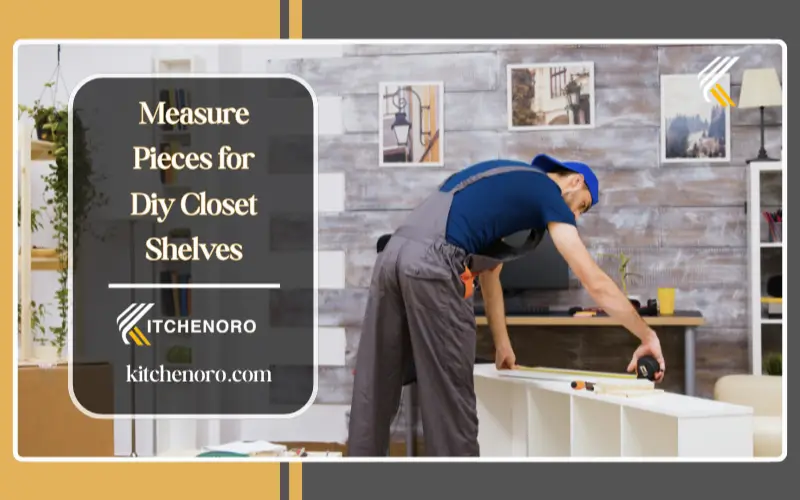
Remove old wire shelving to prepare the closet for new storage.
1. Measure the Closet
Measure all walls carefully. Subtract vertical support thickness when calculating shelf length. Remove old shelves, patch holes, and paint walls before installing.
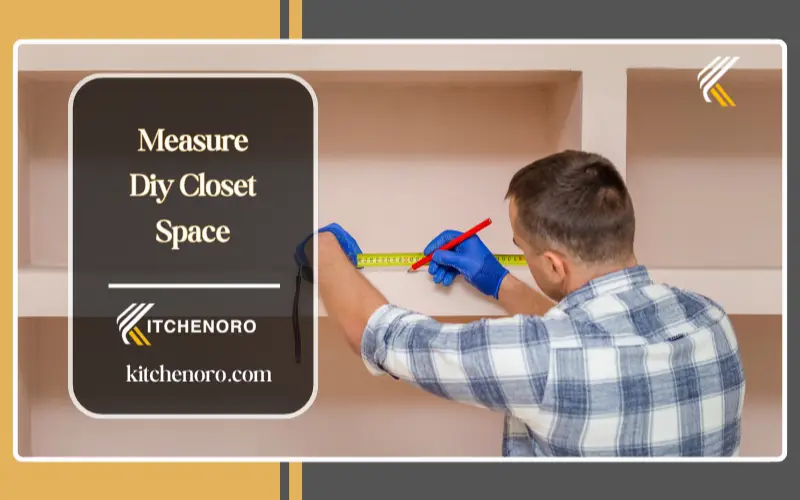
Accurately measure your closet space before building DIY shelves.
2. Cut & Prepare Supports
Cut vertical panels and horizontal supports. Sand edges and pre-paint or stain all pieces.
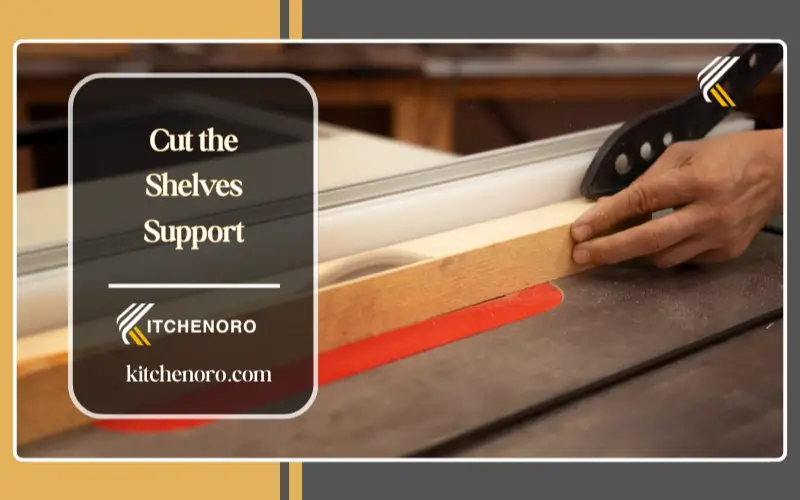
Cut plywood boards according to your closet measurements.
3. Attach Supports to the Wall
Locate studs and mount supports directly into them. Mark shelf heights using a level.
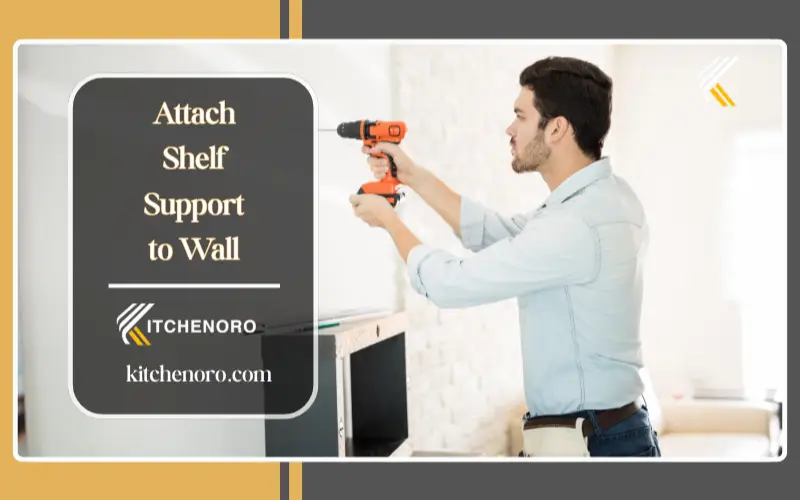
Prepare vertical supports and cleats before installation.
4. Install the Central Tower (Optional)
Add a vertical unit for folded clothes or drawers and secure it with brackets.
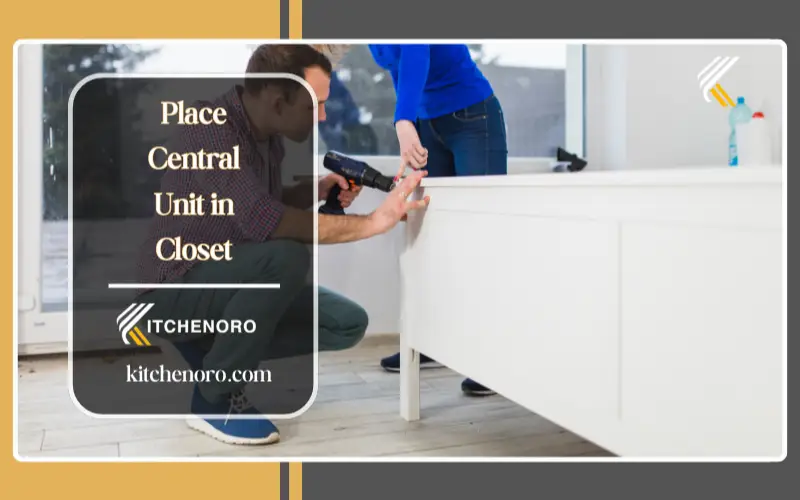
Always anchor shelf supports directly into wall studs.
5. Install Shelves
Fasten shelves to supports. Add metal brackets for spans over 36 inches. Check the level after every shelf.
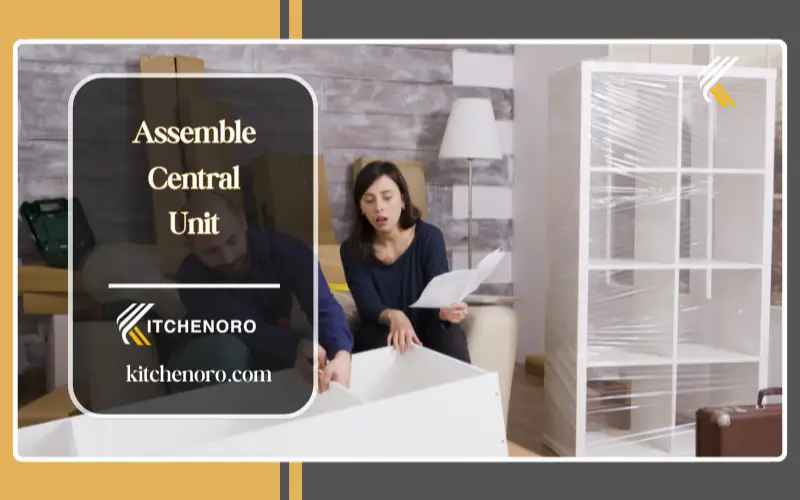
Use bins and baskets to keep closet shelves organized.
6. Organize
Store heavy items low. Use bins and baskets for consistency.
If you’re optimizing home storage, consider adding floating pantry shelves for additional kitchen organization.
Completed DIY closet shelves provide strong and organized storage.
Example Closet Layout (6 ft Wall)
Layout:
- 3 vertical sections
- Double shelf zone for folded clothes
- Top shelf for luggage
- Bottom shoe storage
For larger storage spaces, many homeowners also install a DIY butcher block kitchen island with storage shelving.
Sample Cut List (6 ft Closet)
- Piece | Size
- Vertical panels | 2 @ 84” x 12”
- Shelves | 5 @ 70” x 12”
- Back supports | 5 @ 70” x 3”
- Side cleats | 4 @ 12” x 3”
Always verify measurements to match your space.
Smart Design Tips
- Avoid shelves deeper than 16 inches
- Reinforce long shelves
- Store heavy items low
- Plan spacing before cutting
- Always anchor into studs
- Use shelf liners
Common Mistakes to Avoid
- Skipping stud placement
- Using drywall anchors for heavy loads
- Forgetting wood thickness
- Making shelves too deep
- Installing before painting
- Overloading MDF
- Not checking level
DIY vs Pre-Made Closet Systems
- Feature | DIY Shelves | Pre-Made Systems
- Cost | Lower | Higher
- Custom Fit | Full control | Limited
- Strength | High | Medium
- Installation | Moderate | Easy
- Appearance | Custom | Factory
Not a DIY person?
Kitchenoro has completed 200+ custom closet installations in New York.
We design shelving that fits your space and storage needs perfectly.
Maintenance & Care
- Wipe shelves monthly
- Check screws every 6 months
- Avoid damp storage
- Use shelf liners
- Replace damaged supports promptly
Safety Disclaimer
Closet shelves must be anchored into wall studs. Drywall anchors alone are not designed to support heavy loads. Test shelves before full loading. Always verify local building codes before installing permanent shelving. This guide does not replace professional construction advice.
FAQs
1-Is it cheaper to buy or build a closet?
Building a closet can be more satisfying than buying one because you can make it exactly the way you want. While store-bought options may be cheaper, they might not fit your space as well. Assembling a store-bought piece could save time, but building offers more flexibility and satisfaction.
2-Are DIY shelves cheaper than buying?
Building your own DIY shelves is often cheaper than buying pre-made ones, especially with highjacked prices on lumber. By building instead of buying, you avoid extra costs. Just make sure everything is done right the first time to avoid running to the store for extra materials.
3-Can you DIY a closet system?
Yes, you can build your own closet system. The answer is simple: absolutely! Building it with two hands gives you pride and the effort and time will be worth it. You’ll feel accomplished with a personalized organizer.
4-Should I use MDF or plywood for closet shelves?
For closet shelves, MDF may sag under heavy loads, so avoid using it for weighty items. If you must use MDF, keep it light. Plywood is stronger and may require reinforcements for extra support in closet shelving.
Authority References for Closet Shelf Materials & Installation
• APA – The Engineered Wood Association
Plywood strength standards, span ratings, and structural panel guidelines are used in construction.
https://www.apawood.org
• National Association of Home Builders
Professional guidance on residential construction standards, storage systems, and structural practices.
https://www.nahb.org
• U.S. Department of Housing and Urban Development
Official housing safety guidance and home improvement best practices.
https://www.hud.gov
Conclusion
Building your own closet and custom shelves is a cost-effective way to create a strong, personalized storage system. With proper spacing, sturdy materials, and stud anchoring, your shelves will outperform most store-bought organizers and last for years. If you’re planning more storage upgrades, explore our full collection of DIY home storage projects.
If you’re planning more projects, explore our complete guide to Kitchen DIY Projects, where we cover shelving, kitchen islands, pantry upgrades, and cabinet improvements.
About Kitchenoro
Kitchenoro is your trusted partner for complete kitchen remodeling, renovation, and elegant design. We specialize in premium cabinet installation, countertops, and transforming kitchens into luxurious, functional spaces. With expert craftsmanship and tailored solutions, Kitchenoro turns your vision into reality. Contact us to elevate your kitchen’s style and functionality!